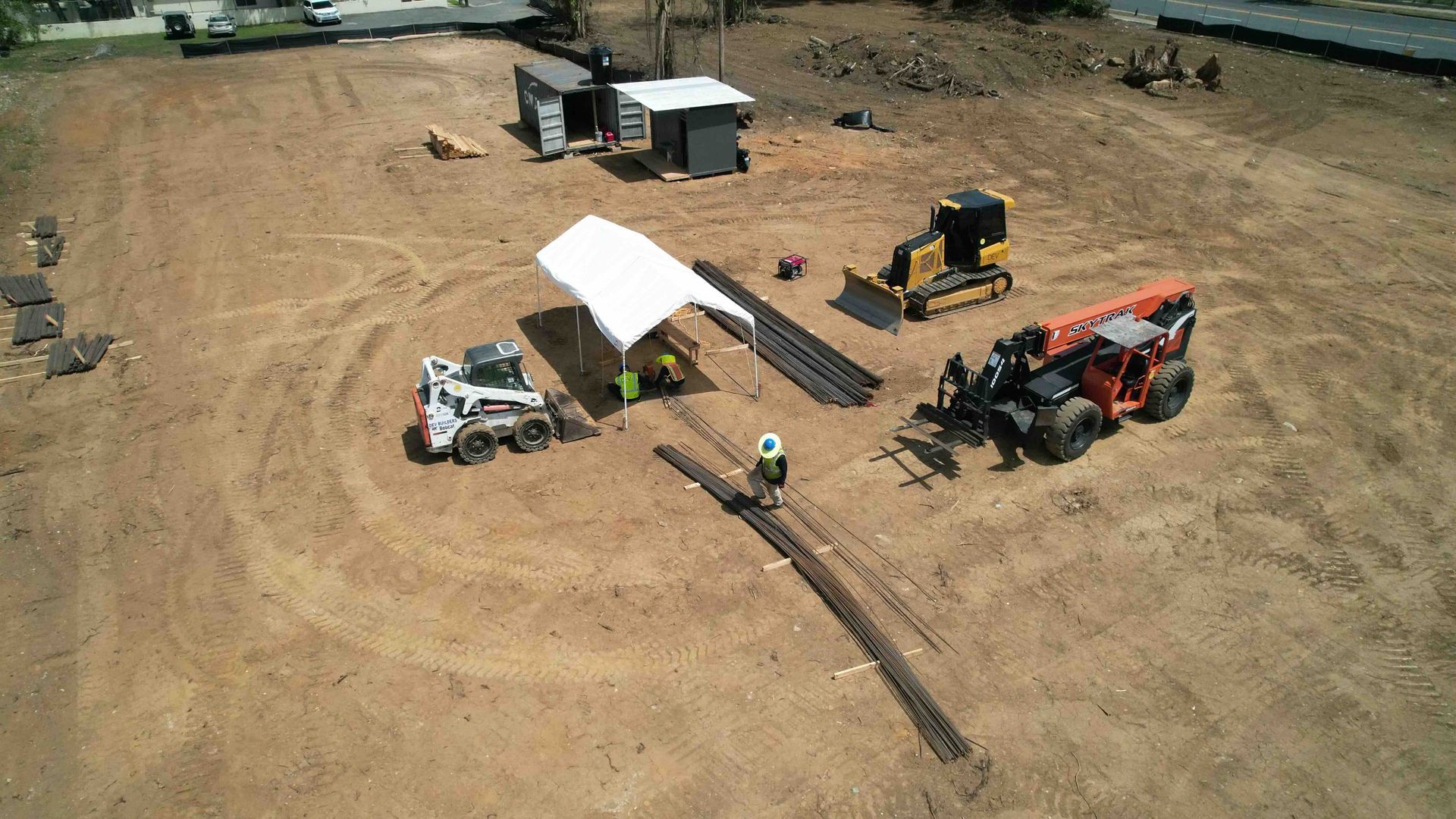
2026 Construction Cost Forecast: Puerto Rico Investor Guide
Quick Answer
Costs in Puerto Rico will likely rise in 2026 due to labor scarcity, logistics premiums, and a strong public‑funded pipeline. Budget with defensive ranges. Lock pricing early through pre‑construction services and compare modular and phased delivery. Model Act 60 and urban credits to offset CAPEX.
What’s Driving Puerto Rico Costs in 2026
Investors want fewer surprises and steady returns. Puerto Rico’s pipeline stays strong into 2026, but crews are tight and freight stays high. The projects that win set risk controls early and stay disciplined through procurement.
What will hurt your 2026 pro forma more: labor or logistics? The answer depends on sequencing and how early you lock long‑lead items.
Why the 2026 construction cost forecast matters in Puerto Rico
Budgets face two forces. Federal recovery and infrastructure money keep demand high. Logistics and a tight labor pool prevent prices from cooling. That gap shows up in bids, lead times, and change orders. Plan for it now, or margin vanishes during procurement.
How Cost Pressure Shows Up on Real Projects
Here is how current conditions affect your 2026 budget and schedule. Use the list to plan for each risk before you bid.
- Material logistics premium. Mainland shipping, carrier limits, and Jones Act routing raise delivered prices.
- Skilled labor scarcity. Small pool, wage competition, and retention costs. Crews book out faster during public surges.
- Resilience requirements. Impact glazing, flood‑aware grading, solar, and batteries add CAPEX but protect uptime.
- Soft costs and compliance. Permits, technical reviews, and professional fees matter. Missed submittals cost weeks.
- Demand backlog. Federal funds support vendor pricing power and longer lead times.
Driver → Budget impact → Mitigation
Use this quick guide to link each driver to its budget effect and a simple fix.
- Freight → higher delivered material costs → bulk buys, price‑hold clauses, pooled transport.
- Labor → premium rates and schedule exposure → early trade alignment, standardized assemblies.
- Power quality → downtime and equipment wear → solar + storage, surge protection, commissioning.
- Moisture/Corrosion → faster replacement cycles → coatings, 50–55% RH, inspection calendars.
Local Realities: Permits, Codes, and Incentives
Permitting runs through the Single Business Portal and OGPe. Coordinate with PR OSHA, DRNA/EQB, and follow FEMA guidance for floodplain and resilience scopes. Study Act 60 tax benefits and urban credits. These incentives can improve feasibility when inputs run hot.
Options and Comparisons
Pick methods that move risk into predictable workflows.
- Modular/prefab vs. traditional
- Pros (modular): fewer weather delays, less onsite labor, faster dry‑in.
- Cons: factory lead times, early design lock, transport/craning plans.
- Energy: grid‑only vs. solar + storage
- Pros (solar + storage): lower outage risk, steadier OpEx, possible insurance benefits.
- Cons: higher CAPEX, interconnection reviews.
- Maintenance: in‑house vs. service contract
- Pros (service contract): predictable costs, faster response, warranty continuity.
- Cons: annual fees, vendor dependency.
Actionable Steps
Act now to protect 2026 bid outcomes.
- Scope & Design
- Freeze finishes, fixture counts, and long‑lead items before bidding.
- Front‑load resilience: impact glazing, backup power targets, humidity control ranges.
- Procurement & Labor
- Bid a modular alternate next to a conventional plan to compare exposure.
- Bulk‑buy critical materials with price‑holds and pooled transport.
- Plan retention incentives and orderly sequencing to keep trades on site.
- Finance & Energy
- Add Act 60 and urban credits to the model before site selection.
- Assign a cash value to avoided downtime when comparing energy options.
Lessons From the Field
Real projects prove what models predict.
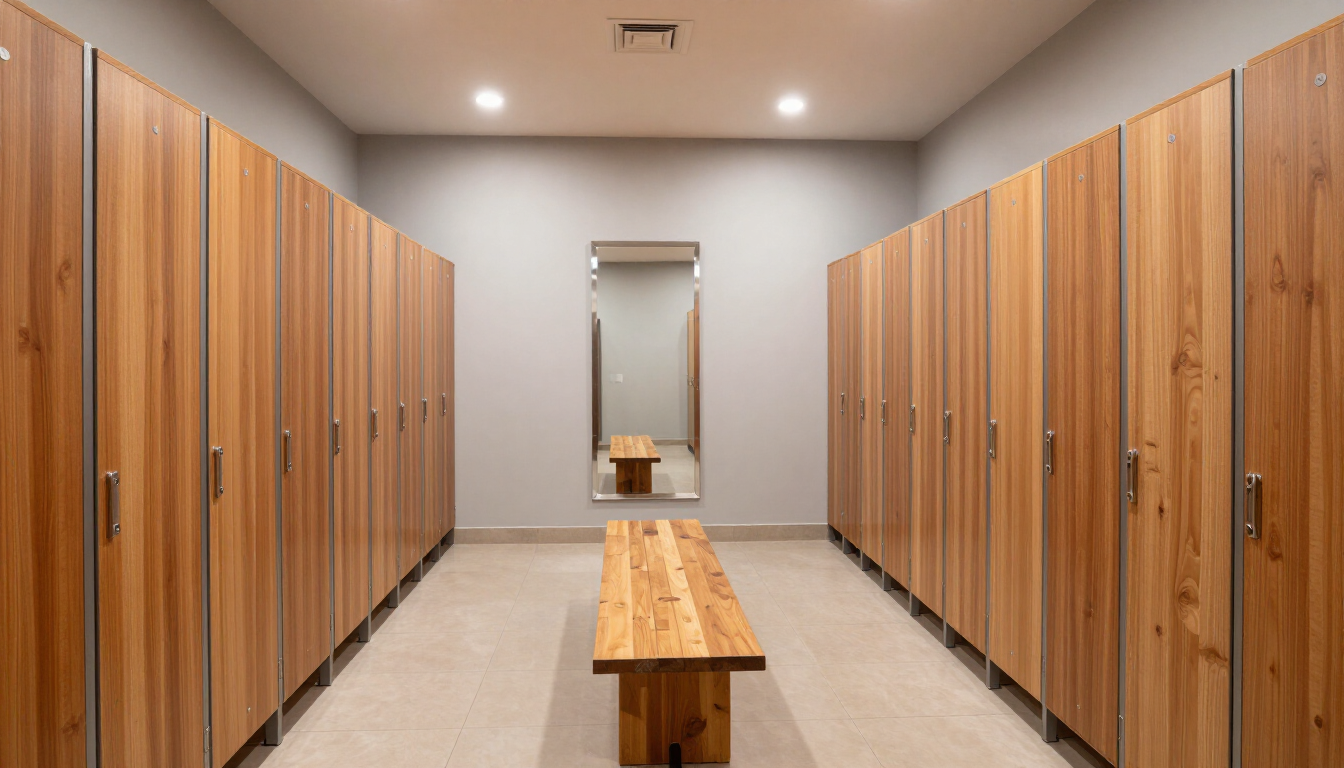
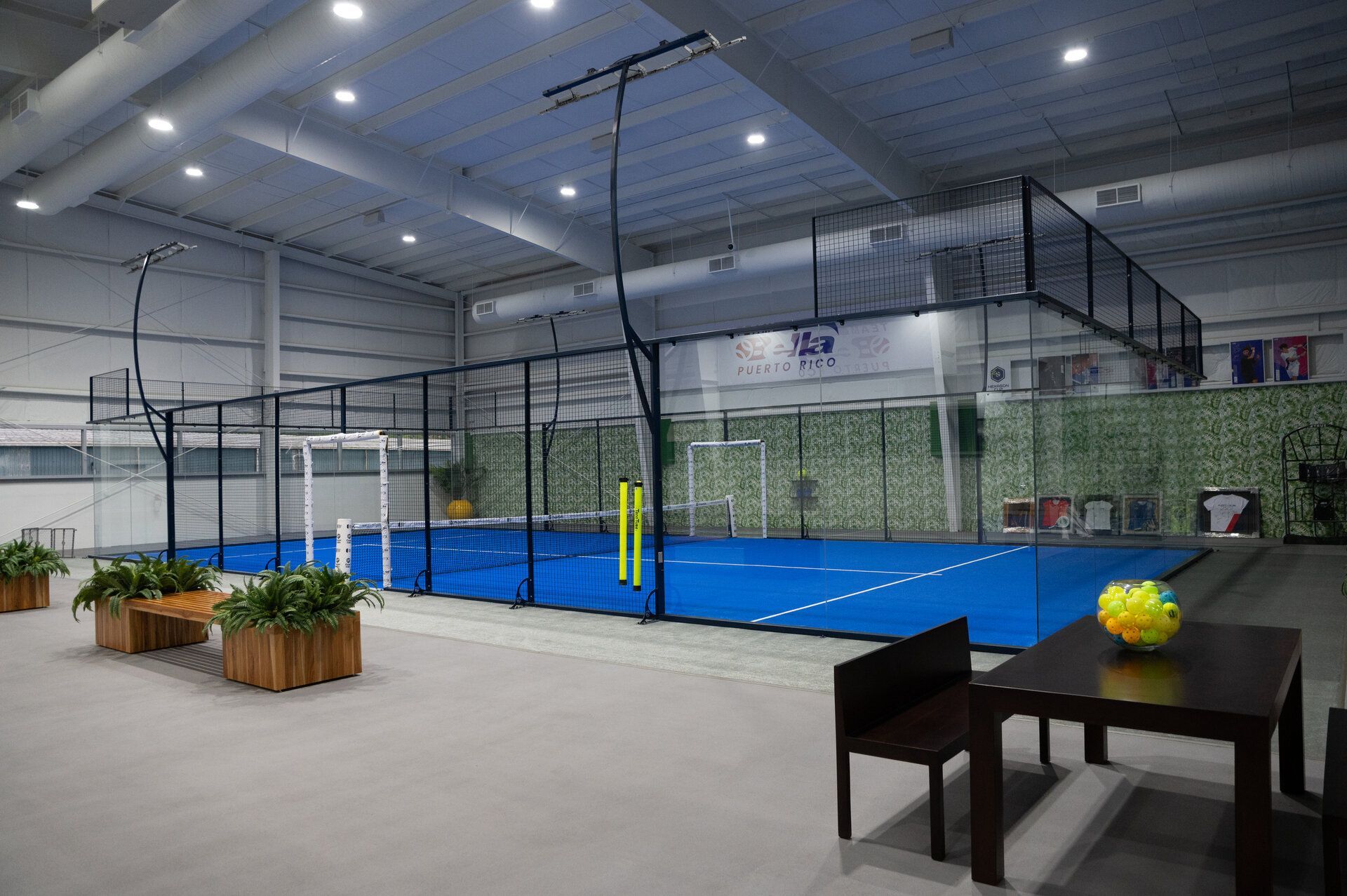
- Pickleball Sport Center — Metro Area. An 8,500 sq. ft. indoor facility built with climate‑ready HVAC, LED court lighting, and full locker rooms. Early vendor holds and standardized assemblies kept pricing stable and inspections clean.
Takeaway: standardization plus early equipment holds protect budgets; see the Pickleball Sport Center case study. - Río Grande Bella Mall automotive facility. Standardized assemblies and firm vendor holds stabilized pricing during a busy bid season.
Takeaway: standardization plus vendor partnerships buffer inflation.
How DEV Builders Delivers
DEV Builders Group provides a high‑end, premium, concierge, white glove service with in‑house crews and owned equipment.
Our team handles pre‑construction planning and cost modeling, full‑service construction delivery, and planned maintenance for coastal assets so assets perform after handover.
Sector experience spans
markets and recent
projects across automotive, retail, and sports. Our sports and recreation work guides durable materials, drainage, and circulation in high-use facilities.
Contact Us to review early budgets or value‑engineer a 2026 package.
Local Realities: Operating Costs You Must Model
Operating costs can erode returns if you ignore climate loads and outages. Bake these into underwriting.
- Cooling and humidity. Hold 50–55% RH and tight temperature control to protect finishes and equipment.
- Corrosion cycles. Coastal air accelerates wear on metal, glazing, and hardware. Specify coatings and inspection cycles.
- Storm downtime. Target at least 72 hours of generator coverage for priority loads. Add fuel logistics to the plan.
- Power quality. Include surge protection and metering. Tie Building Automation System alarms to maintenance response.
End‑of‑Life and Adaptive Reuse
Plan the exit on day one.
Choose structural grids, floor loads, and MEP pathways that support later conversions.
Adaptive reuse options improve flexibility and reduce decommissioning costs.
Final Thoughts and Next Steps
Puerto Rico’s 2026 outlook rewards disciplined planning.
Costs stay above mainland norms, but projects can meet return targets when you standardize scopes, front‑load risk controls, and use incentives.
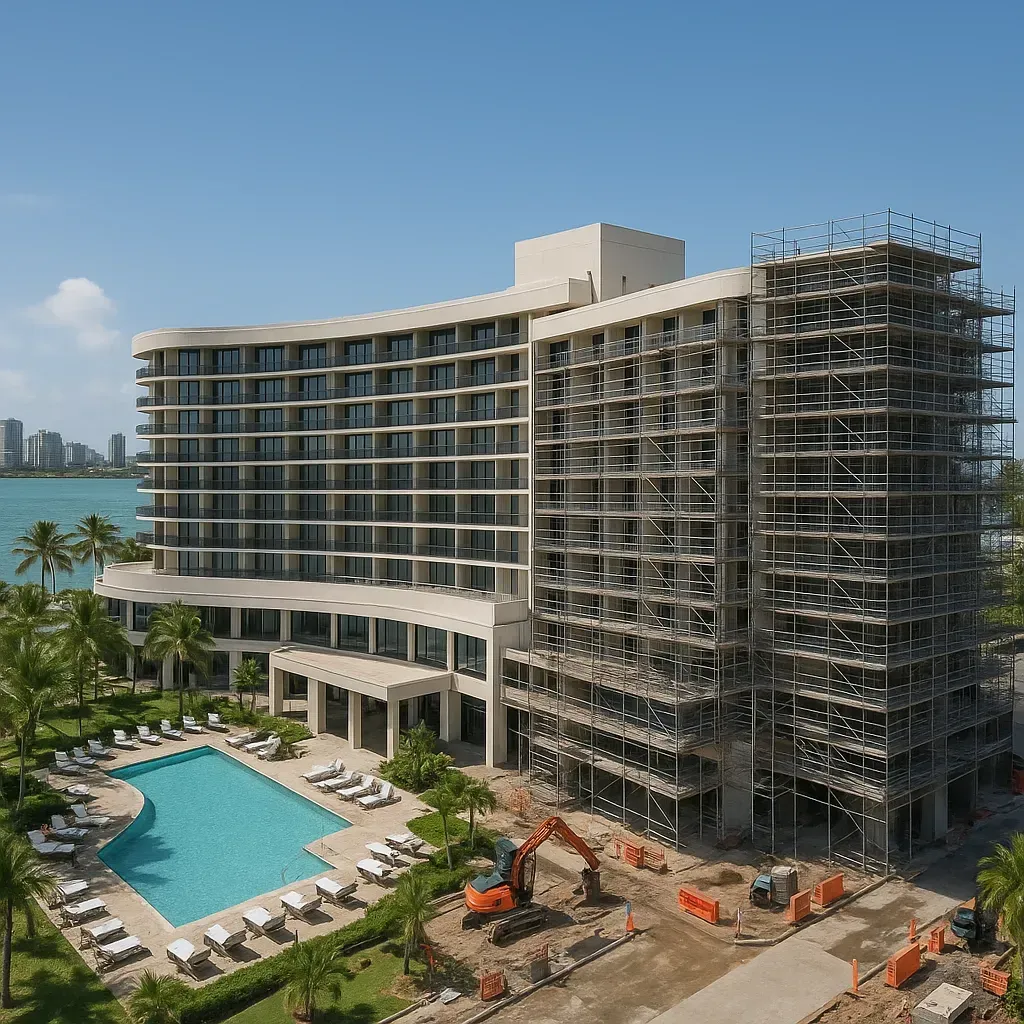
If you are scoping a hotel refresh, a dealership expansion, or a sports facility,
contact us to bring us in early.
Frequently Asked Questions
These short answers cover common investor and developer questions about 2026 construction costs in Puerto Rico.
What are construction costs in Puerto Rico 2026 doing?
They are rising due to labor scarcity and logistics premiums.
What are construction costs in Puerto Rico 2026 doing?
They are rising due to labor scarcity and logistics premiums.
How do Act 60 incentives affect returns?
They can offset CAPEX and reduce operating taxes.
Where do projects get stuck in permitting?
Incomplete technical submittals and environmental coordination.
What resilience features protect uptime?
Impact glazing, site drainage, solar PV with storage, and generator run‑time targets.
Sources:
- Puerto Rico Disaster Recovery Transparency (COR3) — funding overview and disbursements
- U.S. Department of Energy — funding for Puerto Rico’s grid support
- FEMA Region 2 (Puerto Rico) — disaster programs and guidance
- EIA Territory Energy Profile (Puerto Rico)
- OGPe / Puerto Rico Single Business Portal
- PR OSHA State Plan