Lifecycle Costing for Sports Facilities in Puerto Rico
Quick Answer
Lifecycle costing in Puerto Rico means planning the full cost of a sports facility from design to disposal. Salt air, humidity, storms, and permitting realities raise OpEx and shorten service life. Run the numbers early, harden for corrosion, and protect maintenance budgets. Next steps: build a Puerto Rico‑specific LCC model and lock a maintenance reserve.

Why Lifecycle Costing Decides ROI in Puerto Rico
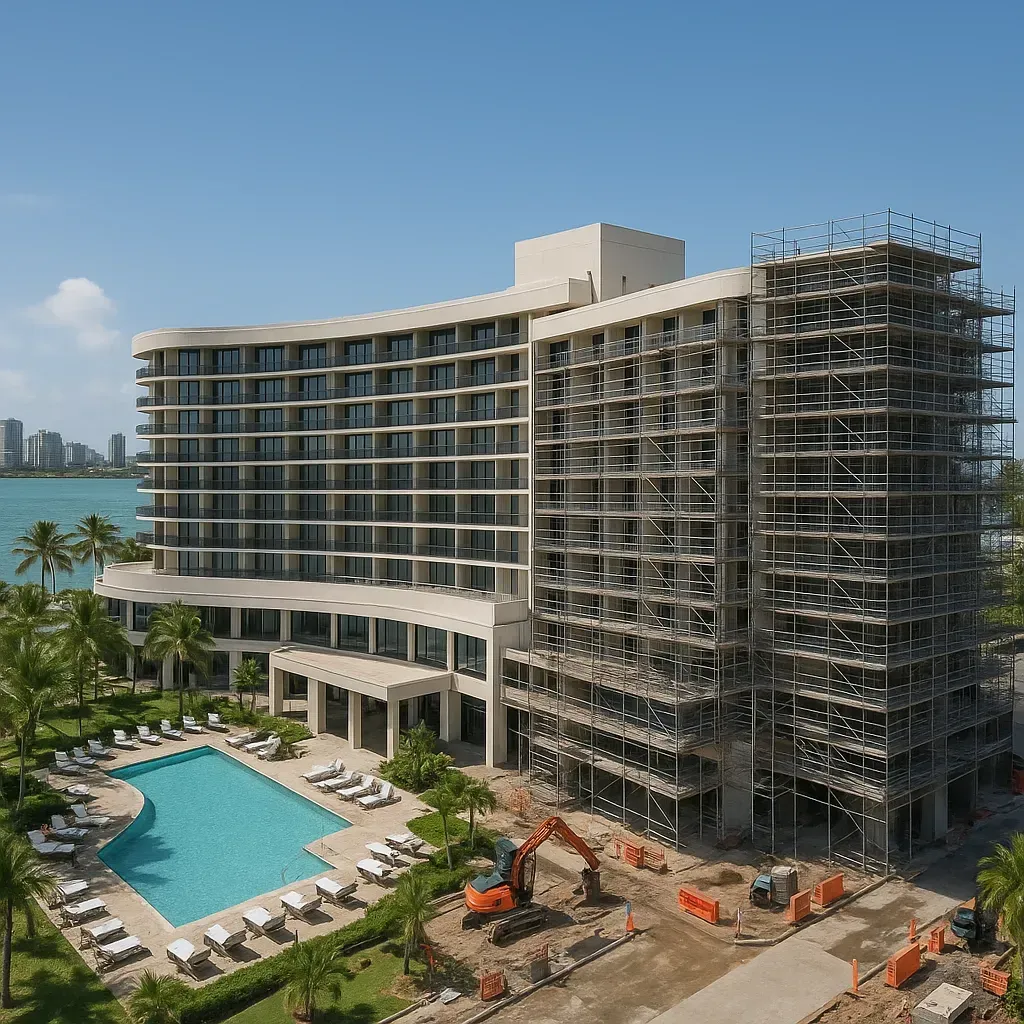
Puerto Rico is not a temperate market. Cooling and dehumidification cost more. Coastal corrosion can turn a “10‑year” condenser into a 3–5 year expense near coasts vs 7–10 inland. That shift breaks budgets.
These pressures shape sports facility trends in Puerto Rico and drive long‑term budgets. The answer is clear: model total cost, specify durable materials, and fund maintenance from day one.
How to Model Total Cost in 6 Steps
Think total cost, not first cost. Start by listing every cost the facility will carry over its life. Use the categories below and adjust the numbers for Puerto Rico’s climate and supply realities.
- CapEx: design, site work, structure, MEP/HVAC, envelope, specialty systems.
- OpEx: utilities, staffing, cleaning, insurance, security.
- PPM: planned preventative maintenance and inspections.
- R+R: major replacements on shorter coastal cycles.
- End‑of‑life: decommissioning, demolition, or adaptive reuse.
Once the costs are defined, build your model in a clear order. Follow the sequence below to turn assumptions into defensible numbers.
Six steps:
- Define service life for each system with coastal adjustments.
- Model energy and moisture loads for hot‑humid conditions; hold indoor RH at 50–55% year‑round.
- Set corrosion controls as baseline specs, not alternates.
- Discount future costs to Net Present Value to compare options fairly.
- Create a protected maintenance reserve sized for faster coastal replacement.
- Stress‑test the plan against hurricane downtime and supply delays; target 72‑hour generator runtime for critical spaces.
Permits, Codes, Incentives: Puerto Rico Factors
Before you lock a schedule, map the agencies that shape approvals, compliance, and resilience documentation.
Use the quick guide below to see who handles permits, safety, environmental filings, and disaster recovery records.
- OGPe (Oficina de Gerencia de Permisos): centralized permits, licenses, and approvals via the Single Business Portal.
- PR OSHA (State Plan): worker safety standards and required programs during construction and operations.
- DRNA (Departamento de Recursos Naturales y Ambientales): environmental processes and filings formerly under EQB.
- FEMA considerations: resilience design and documentation support faster recovery and eligibility.
Plan lead times into the schedule and document compliance throughout.
Build Options: Cost and Risk
Each delivery path shifts where you pay: upfront CapEx, ongoing OpEx, and downtime risk. Use the comparisons below to test schedule, freight, and resilience impacts in your 30‑year model.
Traditional build vs modular components
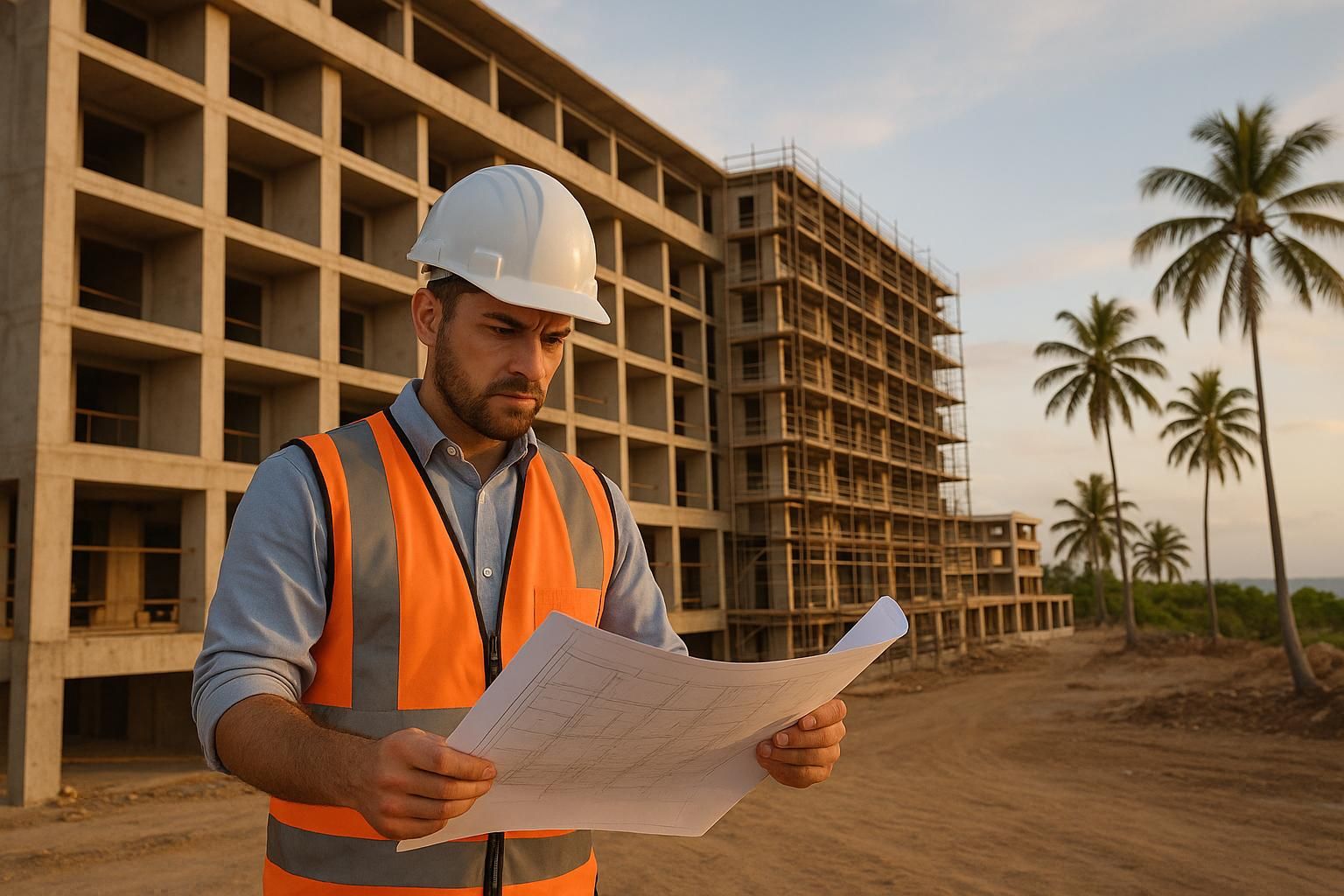
- Traditional: flexible design; longer schedule; higher site labor.
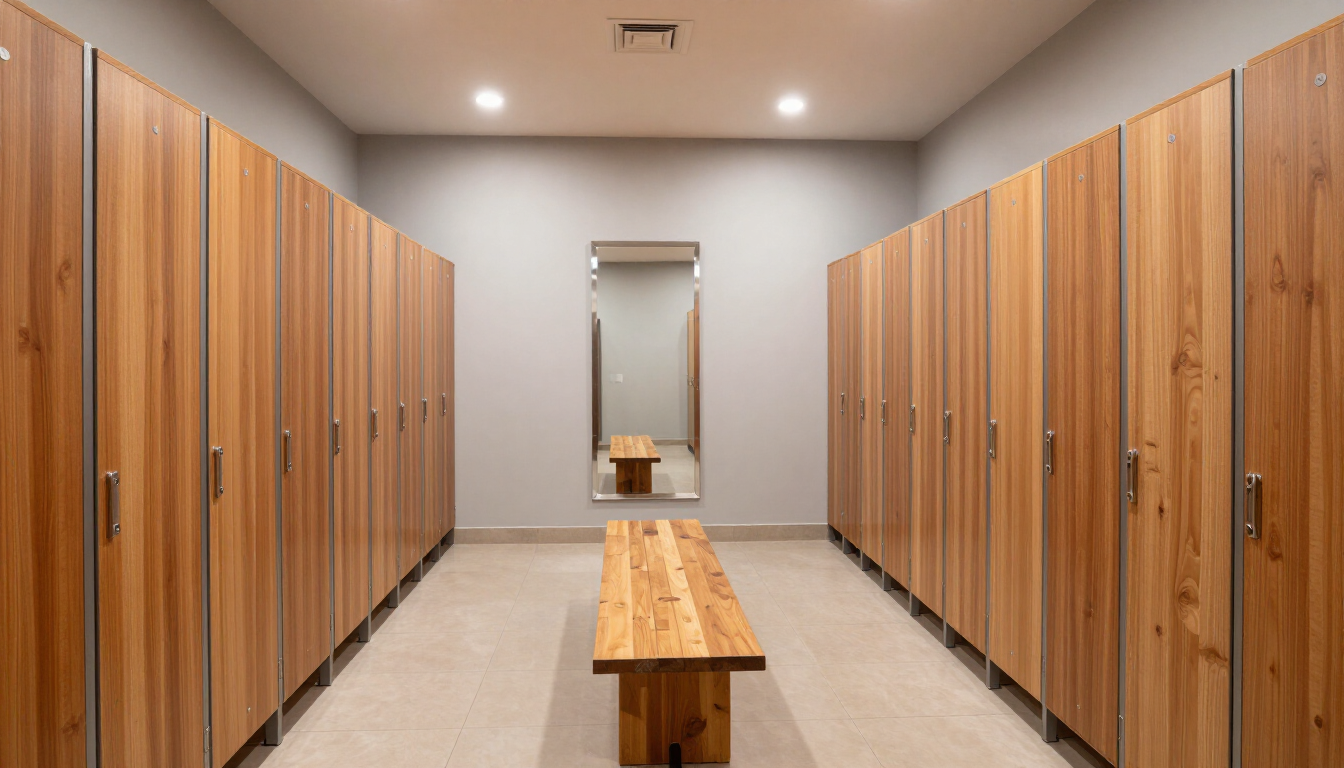
- Modular elements (locker rooms, support spaces): faster dry‑in; factory QC; freight and staging logistics to the island.
Basic spec vs resilience spec
- Basic: lower CapEx now; higher OpEx and faster R+R; higher downtime risk.
- Resilience: +8–12% CapEx upfront; −15–20% OpEx; fewer replacements; better uptime.
Owner‑maintained vs service contract
- Owner‑maintained: control, but staffing and parts risk.
- Service contract (with KPIs): predictable OpEx and vendor accountability. Include clauses for coastal replacements and response times.
Do This Next
These actions turn analysis into a buildable plan. Follow them in order to lock scope, trim change orders, and protect time to revenue.
- Build a 30‑year LCC model with Puerto Rico‑specific replacement cycles for HVAC, dehumidification, and exterior metals.
- Set envelope rules: impact‑rated glazing, marine‑grade fasteners, corrosion‑resistant coatings, protected equipment yards.
- Design for moisture control: verify air barriers, pressure management, and condensate strategy.
- Specify maintenance access: catwalks, lift points, and clearances that make PPM fast and safe.
- Lock a maintenance reserve and ring‑fence it from operating cuts. This keeps facility maintenance in Puerto Rico funded even in tight years.
- Pre‑qualify coastal vendors for same‑day parts and emergency response before hurricane season.
- Write corrosion control into warranties and require inspection logs.
- Document OSHA programs and staff training to cut incident risk and downtime.
Lessons From the Field
A model is useful. Proof is better. These two projects show how smart specs and disciplined Quality Assurance reduce complaints, closures, and long‑term cost in Puerto Rico.
Rio Grande Bella Mall (automotive showroom): impact glazing and envelope Quality Assurance cut humidity complaints in peak season.
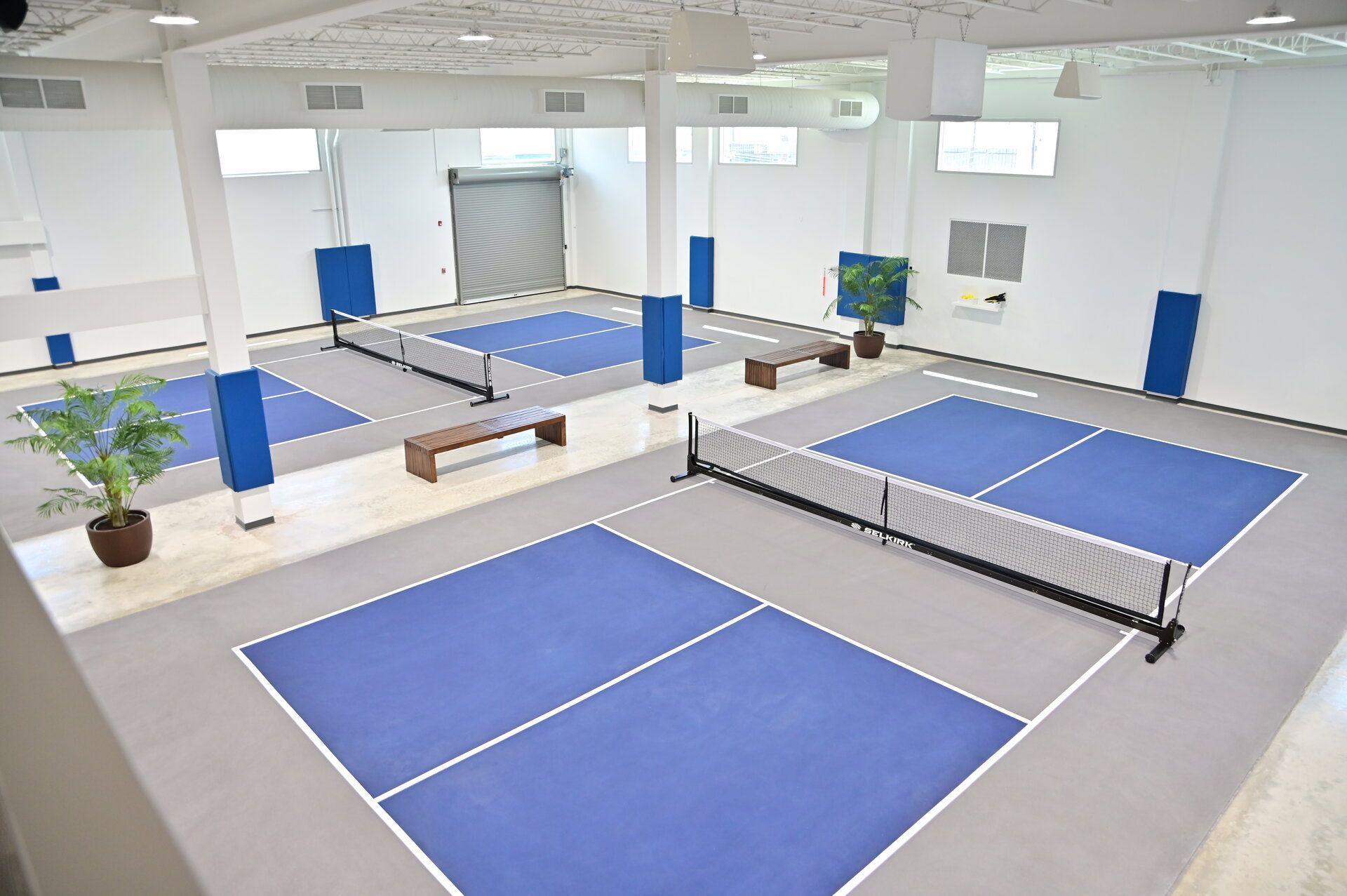
Pickleball Sport Center (Metro Area): shaded areas and durable surfacing reduced heat‑related closures and kept playability high.
The takeaway is simple: control the envelope, protect equipment, and fund maintenance from day one. That keeps uptime high and OpEx predictable in Puerto Rico.
How DEV Builders Delivers
You get high‑end, premium, concierge, white glove service backed by in‑house crews and an owned equipment fleet. That control keeps schedules tight, quality high, and budgets predictable across Puerto Rico.
We begin with pre‑construction planning and cost modeling so your lifecycle numbers are real before you commit. We execute through full‑service construction delivery with disciplined quality assurance and clear reporting. After opening day, uptime stays high with planned maintenance for coastal assets.
Explore our
markets to see where we operate, review our
sports and recreation market for sector details and browse
projects for recent work on the island.
Ready to plan your facility the smart way?
Local Realities: Operating Costs You Must Model
- Cooling and dehumidification: year‑round loads drive energy use; hold indoor RH at 50–55%.
- Corrosion economics: exterior condensers, exposed metals, and fasteners fail faster near the coast; expect 3–5 year cycles.
- Storm downtime: design dry‑in paths, pump redundancy, and emergency power to keep key spaces safe and partially open; target 72‑hour generator runtime.
Good moisture and pressure control prevent condensation in walls and protect finishes.
End‑of‑Life and Adaptive Reuse
Plan for replacement or repurposing.
Demolition, environmental handling, and disposal carry real costs that belong in your LCC.
Well‑planned capital phases protect revenue and reduce downtime.
Final Thoughts and Next Steps
You do not control the climate. You control design choices, specs, and budgets.
The best lifecycle plan pays for corrosion control now, locks maintenance funding, and designs for fast recovery after storms.
If you want a partner who plans whole‑of‑life costs,
contact DEV Builders Group. We put the numbers first and build to match.
Frequently Asked Questions
What is lifecycle costing for a sports facility?
It is the full financial view from design to disposal: CapEx, OpEx, preventative maintenance, major replacements, and end‑of‑life. In Puerto Rico, coastal and humid conditions shorten cycles.
How do salt air and humidity change budgets?
They increase OpEx and accelerate replacements. Use marine‑grade materials, coatings, and protected equipment yards.
Which agencies affect my schedule?
OGPe for permits; PR OSHA for safety compliance; DRNA for environmental processes; FEMA guidance for resilience planning and recovery documentation.
What incentives exist for investors?
Act 60 programs can support qualifying projects. Coordinate with tax counsel early to align structure and schedule.
Should I pick modular or traditional construction?
Modular can shorten time to revenue and improve QC, but logistics to the island matter. Traditional offers design freedom. Compare both in a 30‑year LCC.
How do I keep downtime low after storms?
Protect the envelope, add impact glazing, design N+1 pumps, and stage vendor contracts before hurricane season; size generators for 72 hours.