Hotel Property Improvement Plan Guide for Owners and Investors
Quick Summary:
A hotel property improvement plan, also called a hotel PIP, is a brand-issued scope of required upgrades that keeps a property aligned with franchise standards.
Owners usually receive a PIP during a sale, franchise renewal, brand conversion, or inspection cycle.
The real risk is not only the renovation cost. A hotel PIP can affect closing strategy, financing, room availability, procurement, permitting, and hotel revenue.
Early planning and clear construction coordination protect the project at every stage.
What Is a Hotel Property Improvement Plan?
A hotel property improvement plan is a brand-required scope of upgrades, repairs, and compliance standards that a hotel must complete to remain in franchise alignment.
The hotel brand or franchisor issues the PIP after reviewing the property against current brand standards. The document typically includes required upgrades, deadlines, approved product specifications, inspection items, and completion terms.
The owner remains responsible for funding and completing all required work.
PIPs cover guest experience, property condition, building systems, life safety, exterior conditions, and brand identity. Franchisors set the scope and the deadline. The owner funds the work and coordinates execution.
Failing to complete hotel PIP requirements on schedule can put a franchise agreement at risk.
When Do Hotel Brands Require a PIP?
Brands issue PIPs at predictable trigger points. Understanding the timing helps owners and buyers plan before a deadline arrives.
Common hotel PIP triggers include:
- Change of ownership: Most brands require a PIP when a hotel sells. The buyer assumes responsibility for completing it on the brand's timeline.
- Franchise agreement renewal: Renewing a franchise often requires the property to meet current standards, which may have changed since the original agreement.
- Brand conversion: Converting a property to a new flag almost always triggers a full PIP reflecting the new brand's standards.
- Failed or below-standard quality inspection: If a brand inspection reveals deficiencies, the brand typically issues a PIP with a compliance deadline.
- Scheduled brand refresh cycle: Some brands update their standards every 7 to 10 years and require properties to comply.
- Major repositioning: Shifting a property's segment or market position often requires a scope-level upgrade.
- Renovation after deferred maintenance: Properties with documented maintenance gaps may receive a PIP requiring catch-up work across multiple systems.
Timing matters because hotel PIP requirements can affect closing strategy, financing structure, and revenue planning from day one.
What Do Hotel PIP Requirements Usually Include?
PIP scope varies by brand tier, property condition, and inspection findings. Most PIPs organize requirements across several categories.
Guest Rooms and Corridors
Guest rooms are almost always a PIP priority. Common scope items include:
- Mattresses and case goods
- Soft goods and wall finishes
- Flooring and subflooring
- Bathroom fixtures and vanities
- Lighting and controls
- Doors, hardware, and corridor finishes
Brands specify approved products, finishes, and vendors. Lead times on brand-approved items can run several months, which makes procurement planning an early priority.
Public Areas
Common public area scope items include:
- Lobby and front desk
- Breakfast areas and food and beverage outlets
- Meeting rooms and pre-function spaces
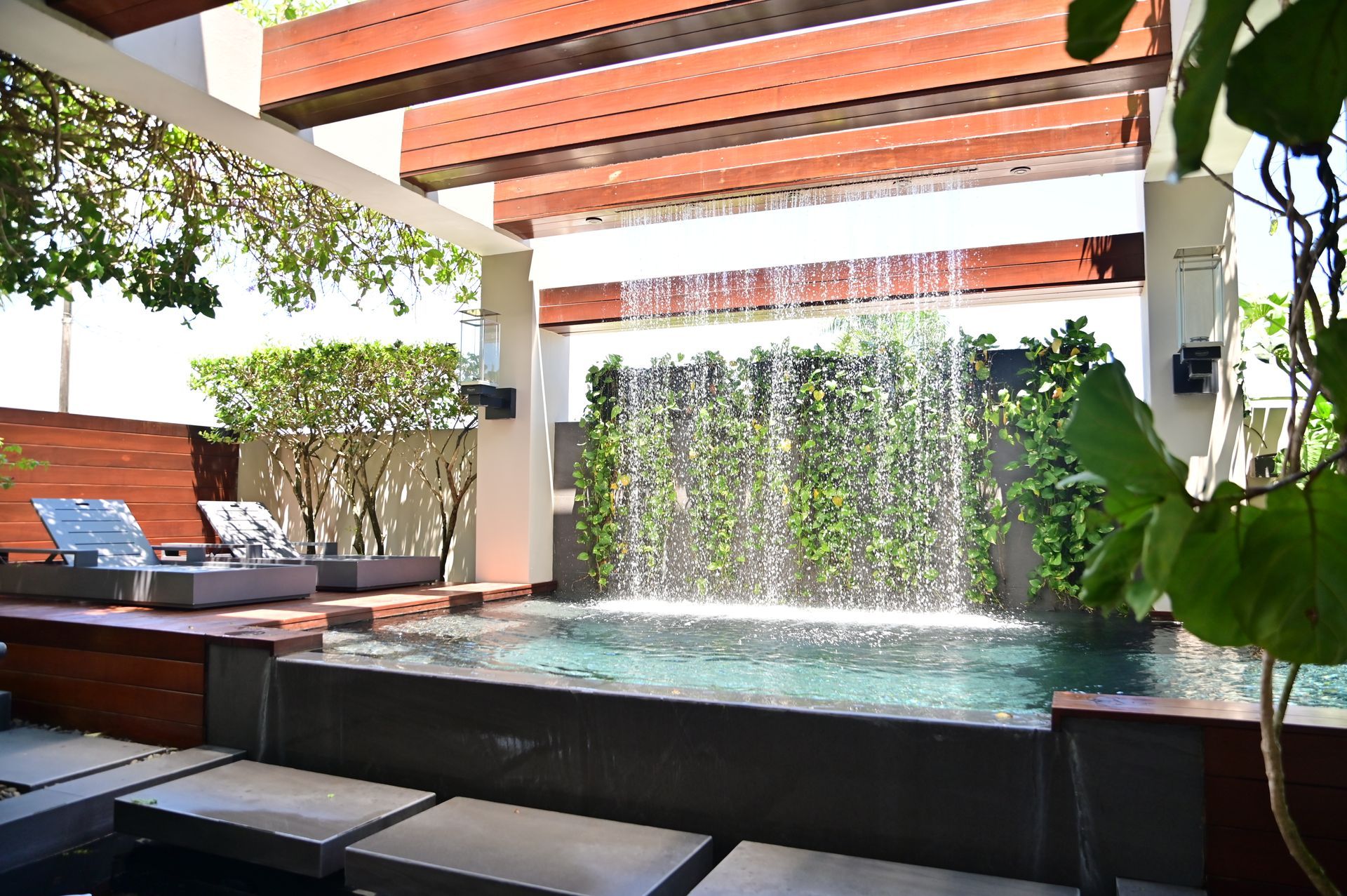
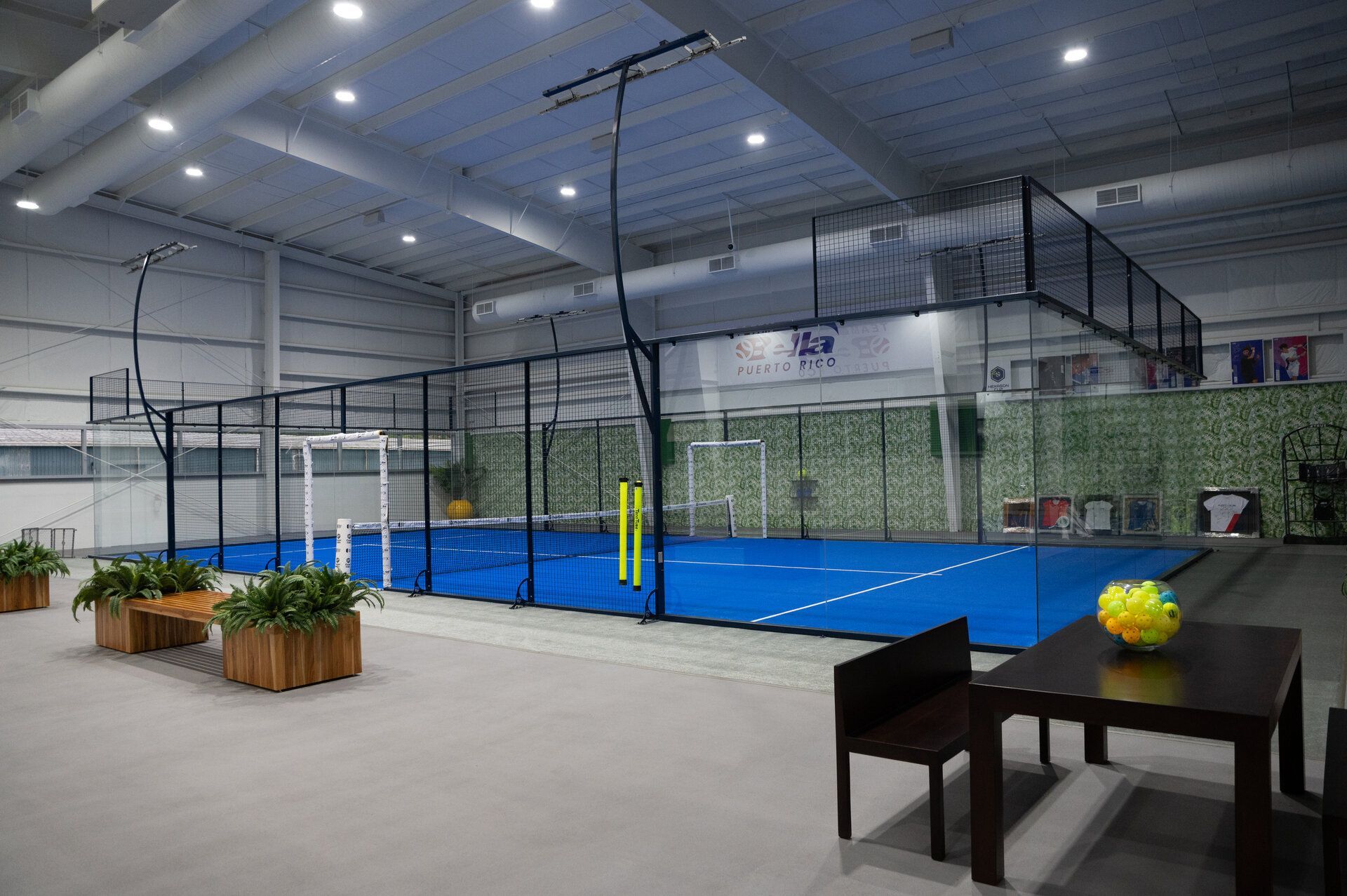
- Fitness facilities and pool areas
- Signage and guest circulation paths
These areas affect the guest arrival experience and brand perception directly. Phasing public area work requires careful coordination with hotel operations.
Building Systems and Life Safety
Owners should not treat this category as secondary to the cosmetic scope.
A guest room refresh may look straightforward, but electrical capacity, plumbing conditions, HVAC performance, fire alarm integration, sprinkler systems, accessibility work, and emergency lighting can change the schedule, the budget, and the permitting path.
Life safety items are rarely negotiable and require licensed inspections and documented permits in Puerto Rico.
Exterior and Site Conditions
Exterior scope typically includes:
- Facade and roofing
- Windows and glazing
- Drainage systems and waterproofing
- Parking and exterior lighting
- Landscaping and accessible routes
- Arrival zones and wayfinding
In Puerto Rico, coastal exposure and heavy rainfall make waterproofing and drainage detailing especially important. Poor execution here creates long-term maintenance problems.
FF&E, OS&E, and Brand Standards
Furniture, fixtures, equipment, operating supplies, brand-approved finishes, signage packages, and technology standards all appear in PIPs.
Procurement planning must start early because FF&E lead times can run several months, and brand-approved vendors often have limited availability in the local market.
Hotel PIP vs. Regular Hotel Renovation
A hotel PIP is not the same as a regular renovation.
A regular renovation may start with the owner's goals, guest feedback, market position, or building condition. A hotel PIP starts with brand requirements.
The owner can still make strategic improvements during the same project. For example, an owner may upgrade waterproofing, improve drainage, replace aging MEP components, or adjust public areas while completing required brand work.
The key difference is control. In a PIP, the brand sets the minimum scope, the product standards, and the deadline.
The owner then decides how to complete that scope while protecting revenue, budget, and long-term asset performance.
Treating a hotel PIP as an opportunity to address deferred maintenance and asset improvements at the same time is often the most cost-effective approach.
Why Owners Should Review the PIP Before Buying a Hotel
A hotel PIP can change the real cost, timeline, and risk profile of an acquisition. Reviewing it carefully before closing is an important step for every serious buyer.
Request the PIP before you commit. Ask for the full brand PIP document during due diligence, before signing a letter of intent if possible.
Scope, deadline, and brand requirements should factor into pricing and financing discussions before any commitment is made.
Confirm what the seller completed. If the seller has already completed any PIP items, request invoices, permits, inspections, brand approvals, and warranty records.
Unverified work can create compliance risk after closing. The brand may not recognize work it did not approve.
Understand whether deadlines transfer. PIP deadlines typically carry over to the buyer. Confirm the remaining timeline from closing, not from the original issue date.
Ask about post-closing brand requirements. Some brands require a new property inspection after a sale closes. Clarify this with the brand before finalizing the transaction.
Review MEP and life safety scope carefully. Electrical, plumbing, HVAC, and fire safety work can add major cost beyond the visible renovation scope.
A property condition assessment from a qualified engineer helps surface what the PIP document may not fully capture.
Check for deferred maintenance beyond the PIP. Properties with years of deferred upkeep often carry more hidden scope than the PIP reflects.
Match phasing to occupancy and seasonality. Understand which months carry the highest demand. PIP work phased during peak periods costs more in lost revenue than work phased during slower periods.
Confirm lender requirements. Some lenders require PIP completion reserves or documented timelines.
Confirm early so financing structure and capital deployment align with construction schedule.
Developers and investors building in Puerto Rico should treat hotel PIP due diligence as a core part of underwriting, not a post-closing task.
Can Hotel Owners Negotiate Hotel PIP Requirements?
Some hotel PIP items can be negotiated, but the brand controls the final compliance standard. Negotiation is possible in specific areas and works best when it starts early.
Areas where discussion may be possible:
- Waivers: Brands occasionally waive specific line items if an owner can document equivalent performance or recent work.
- Approved substitutions: Some brands allow substitute products or finishes that meet the same standard, which can reduce cost or lead time.
- Deadline extensions: Extensions are sometimes granted with documented cause, such as permit delays or supply chain disruptions, but they are not guaranteed.
- Phased completion: Brands may accept a phased approach if the owner documents a credible schedule and the brand approves the plan in writing.
Every negotiation requires documentation. Owner, brand representative, architect, and contractor must coordinate to keep conversations traceable and binding.
Do not assume verbal agreements are enforceable. Get brand approvals in writing before proceeding.
How Puerto Rico Changes Hotel PIP Planning
Puerto Rico introduces planning variables that mainland hotel owners may not anticipate.
These are real logistical and environmental factors that affect schedule, cost, and execution quality.
Shipping and procurement lead times. Most FF&E, materials, and specialty equipment ships from the mainland or internationally.
Lead times are longer than in major U.S. markets. Storage and staging on-site must be planned before materials arrive.
Material availability and substitutions. Not all brand-approved products are stocked locally. When substitutions are needed, they require brand approval and documentation. That process takes time and should be started early.
Coastal exposure and corrosion risk. Properties near the coast require materials specified for salt air exposure.
Hardware, glazing, roofing fasteners, and MEP components all need to account for accelerated corrosion.
This affects both product selection and long-term maintenance cost.
Humidity and waterproofing. Puerto Rico's humidity creates risk for improperly detailed waterproofing, particularly in bathrooms, balconies, roofing systems, and building envelope connections.
Hotel PIP waterproofing scope needs careful review and properly supervised execution.
Heavy rain and drainage. Drainage planning affects both construction sequencing and long-term asset performance.
Inadequate drainage causes water intrusion that raises future maintenance costs and can damage brand-required finishes.
Permitting and inspections. Permitting timelines require early submission and proactive coordination.
Delays in permits affect the hotel PIP deadline, and brands do not automatically grant extensions based on regulatory timing alone.
Power and water continuity. Active hotel operations require utility continuity during construction.
Generator planning and water supply sequencing must be built into the phasing plan.
Schedule buffers. Supply chain delays compound in an island logistics environment.
Schedule buffers for hotel PIP work in Puerto Rico need to be larger than comparable mainland projects.
Our team supports
hospitality and entertainment construction in Puerto Rico with direct knowledge of these conditions built into every project plan.
How to Protect Hotel Revenue During PIP Work
Revenue protection during a hotel PIP is a construction planning issue, not only an operations issue.
The sequencing of work determines how many rooms remain sellable and for how long.
Practical approaches include:
- Floor-by-floor or wing-by-wing sequencing: Confine active construction to one area while other areas remain operational.
- Room blocks: Coordinate with the operator to manage inventory and advance bookings around construction phases.
- Swing spaces: Identify storage, staging, and temporary work areas that do not displace revenue-generating rooms or guest areas.
- Guest pathway protection: Keep public circulation clear, well-lit, and safely separated from construction activity at all times.
- Noise and dust scheduling: Schedule high-impact trades during low-occupancy hours and coordinate with the operator in advance.
- Material staging: Plan deliveries so materials arrive when needed and do not occupy guest areas or create safety hazards.
- Milestone reporting: Share clear progress updates with operators so revenue forecasting and staffing decisions align with actual construction progress.
Working with a
hotel renovation contractor in Puerto Rico who understands both construction sequencing and active hotel operations reduces the risk of preventable revenue loss.
How Owners Should Think About Hotel PIP Costs and Financing
Hotel PIP cost depends on factors specific to each property. General ranges are difficult to apply without reviewing the actual scope.
Generic cost-per-room figures can be misleading. Two hotels with the same room count may have very different PIP exposure.
One property may need mostly FF&E replacement. Another may need life safety upgrades, waterproofing, MEP work, exterior repairs, and permit-heavy construction. The budgets can be very different.
Cost drivers that shape any hotel PIP budget include:
- Brand tier and specific standard requirements
- Property condition and degree of deferred maintenance
- Guest room count and public area scope
- MEP and life safety work required
- FF&E procurement lead times and brand-approval requirements
- Phasing structure and timeline constraints
- Local permitting and inspection requirements
- Coastal exposure and weather-related detailing needs
Owners should model PIP cost early in the acquisition process.
The PIP document, a pre-acquisition building condition assessment, and a construction cost review together give a more accurate picture of what the project requires.
Financing structure matters because hotel PIP deadlines can affect how capital is deployed.
Review hotel financing options in Puerto Rico early so your financing plan aligns with the construction schedule, not the other way around.
Why Early Construction Coordination Matters
The decisions made before work starts have more impact on hotel PIP outcomes than almost anything that happens during construction.
Early coordination typically includes:
- Scope review and clarification with the brand
- Site walks to verify existing conditions against the PIP document
- Constructability review to identify sequencing or phasing issues
- Procurement planning to account for lead times
- Schedule development aligned to franchise deadlines
- Budget alignment before committing capital
- Permit application strategy
- Reporting rhythm between owner, operator, and contractor
- Planned inspections at important phases
- Closeout and punch list process
- Post-construction maintenance plan
At DEV Builders Group, we support hotel owners with premium coordination, site walks, scope review, phasing plans, procurement planning, and clear weekly reporting.
With 20+ years of commercial construction experience in Puerto Rico, our team understands how permitting, logistics, coastal exposure, and active hotel operations affect every phase of work from early planning through closeout.
Hotel owners rarely lose time on a PIP because they misunderstand the definition. They lose time because the scope touches more parts of the asset than expected.
A hotel PIP can affect guest rooms, public spaces, building systems, life safety, procurement, financing, and operations. For investors, it can also change the real cost and timeline of an acquisition.
In Puerto Rico, those planning challenges grow with shipping lead times, coastal conditions, humidity, heavy rain, and permitting timelines that mainland owners may not anticipate.
A clear hotel PIP process helps owners confirm scope, plan phasing, coordinate procurement, and keep brand approvals documented from the start.
This guide is written for hotel owners, franchisees, developers, and investors who want to understand the hotel PIP process before scope, schedule, and revenue are already under pressure.
Hotel PIP Checklist for Owners and Investors
Use this checklist to organize planning before and after acquisition.
- Request the complete brand PIP document in writing
- Confirm all deadlines, including hard brand-required dates
- Confirm which PIP items, if any, the seller completed before closing
- Request invoices, permits, inspections, and brand approvals for any completed work
- Separate brand-upgrade requirements from building-system and life safety issues
- Ask whether the brand will require a new property inspection after closing
- Review guest room and public area scope in full
- Inspect MEP and life safety systems with a qualified engineer
- Confirm permitting requirements with local authorities
- Confirm lender reserve or completion requirements
- Review FF&E lead times and brand-approved vendor availability
- Plan phasing around occupancy periods and seasonal demand
- Build contingency into cost and schedule estimates
- Coordinate financing structure before finalizing acquisition terms
- Document all brand conversations and approvals in writing
- Set a reporting rhythm with your construction partner before work starts
Plan Your Hotel PIP With Clear Scope, Phasing, and Reporting
A hotel property improvement plan is a scope, schedule, and asset-protection challenge, not only a renovation checklist.
The owners and investors who manage it well start planning early, review scope carefully, and work with construction partners who understand both the brand requirements and the local conditions.
In Puerto Rico, that means accounting for shipping timelines, permitting realities, coastal exposure, and the operational demands of keeping a live hotel running during construction.
If you are evaluating a hotel asset, managing an active PIP, or planning phased hotel work in Puerto Rico, we can help you review scope, plan phasing, and coordinate execution with clear reporting.
Contact us to talk about your timeline and scope.
FAQ
What is a hotel property improvement plan?
A hotel property improvement plan is a formal document issued by a hotel franchise brand that specifies the upgrades, repairs, and compliance standards a property must meet.
It covers guest rooms, public areas, building systems, life safety, exterior conditions, and brand identity items. The brand sets the scope and the deadline. The owner funds and coordinates execution.
What triggers a hotel PIP?
The most common triggers are a change of ownership, a franchise agreement renewal, a brand conversion, or a failed quality inspection.
Brands also issue PIPs as part of scheduled refresh cycles when their standards update. Any of these events can generate a hotel PIP with a defined compliance deadline.
How long does a hotel PIP take to complete?
Timeline depends on property size, scope complexity, phasing structure, procurement lead times, and permitting.
Limited-service properties with focused scope may complete a hotel PIP in a few months. Full-service or larger properties with broad scope often require 12 to 24 months of planned work.
In Puerto Rico, shipping lead times and permitting timelines should be factored into any schedule estimate.
Can a hotel owner negotiate a PIP?
Some items are negotiable. Brands occasionally grant waivers, approve substitute products, or allow phased completion with documented justification.
Deadline extensions are sometimes available for documented causes such as permit delays. All negotiated agreements must be confirmed in writing by the brand before work proceeds.
What is usually included in a hotel PIP?
Most PIPs include guest room renovation, corridor and public area upgrades, building system updates covering electrical, plumbing, and HVAC, life safety compliance including fire alarm and sprinkler systems, exterior and site improvements, and FF&E replacement using brand-approved specifications.
The balance of scope depends on the brand tier and the property's current condition.
How does Puerto Rico affect hotel PIP planning?
Puerto Rico requires additional planning for shipping lead times, material storage and staging, coastal exposure and corrosion risk, humidity, heavy rain, waterproofing, drainage, permitting timelines, and utility continuity.
These are known conditions that require early planning and a construction partner with direct local experience.
Should I review a hotel PIP before buying a property?
Yes. A hotel PIP review is an important part of acquisition due diligence. Scope, cost, timeline, and brand deadline all affect what the investment requires after closing.
Reviewing the PIP before committing capital gives buyers a more accurate picture of what they are acquiring.
Is a hotel PIP the same as a renovation?
No. A hotel PIP is a brand-required scope tied to franchise compliance. A renovation may include owner-selected upgrades, repositioning work, or asset improvements beyond the brand's minimum requirements.
Many hotel projects include both. The brand sets the minimum requirement. The owner decides whether additional asset improvements should happen during the same project.