What Does It Really Cost to Build in Puerto Rico? Residential & Commercial Breakdown for 2026
Quick Answer:
Construction costs in Puerto Rico depend on project type, site conditions, design, materials, and scope.
Cost per square foot can support early residential planning. Commercial budgets also depend on intended use and building systems. Confirm which costs the estimate includes and excludes before using it to plan the total investment.
Whether you're planning to build a house, develop a commercial property, or renovate an existing building in Puerto Rico, understanding construction costs starts with knowing what your estimate includes.
A square-foot price can help establish an initial budget, but site conditions, construction requirements, materials, and expenses outside the base estimate can change the total investment.
This guide explains the main cost considerations and what to prepare before moving forward.
How Much Does It Cost to Build a House in Puerto Rico?
The cost to build a house in Puerto Rico depends on more than its square footage.
Design complexity, building size, materials, finish quality, location, and site conditions all influence the construction budget.
A residential construction cost per square foot can provide a useful starting point, but the estimate must reflect the type of home you intend to build.
For example, a 1,500-square-foot home can be evaluated by multiplying its planned building area by an appropriate, verified construction cost per square foot.
The result provides an initial construction budget, not necessarily the total investment.
This preliminary calculation may exclude land acquisition, architectural and engineering services, permitting, utility connections, and additional site preparation.
Two homes of similar size may also require different budgets. A simple design on a prepared site may involve fewer construction requirements than a custom home with complex structural details, specialized finishes, or extensive site work.
What about prefabricated or modular homes?
Compare prefabricated or modular estimates with conventional construction using the same scope. Check whether each includes transportation, assembly, foundations, permits, utility connections, and site work.
How Much Does Commercial Construction Cost in Puerto Rico?
Commercial construction costs in Puerto Rico vary considerably based on building use, project scope, technical requirements, and the level of completion.
A retail space, office building, hotel, or specialized commercial facility can have very different construction requirements, even when the properties have similar square footage.
For example, constructing a building shell is different from delivering a fully finished commercial space.
Interior construction may require extensive electrical distribution, plumbing, air conditioning, fire protection, specialized equipment, and finishes appropriate for the intended operation.
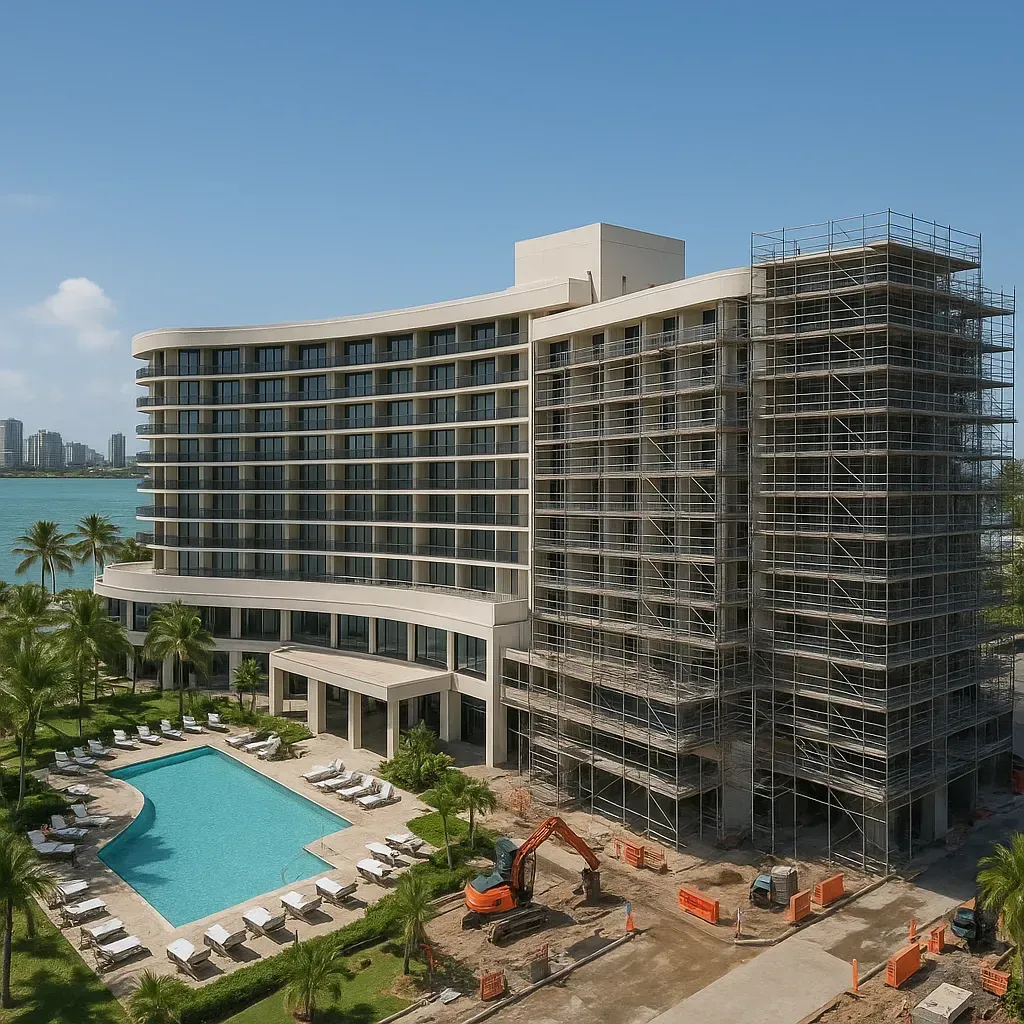
New construction and renovation also require different budgeting approaches. Existing-building conditions, demolition, structural modifications, and maintaining business operations during construction can influence renovation costs.
For investors and business owners, the most useful estimate is one that clearly defines what will be delivered, what remains outside the scope, and which assumptions require further evaluation.
For a more detailed comparison, explore our guide to
commercial construction costs in Puerto Rico, including cost-per-square-foot considerations and comparisons with the mainland United States.
What Affects Construction Costs in Puerto Rico?
Construction costs reflect the conditions of the property, design requirements, and work needed to complete the project. Identifying these factors early helps owners compare estimates and understand which decisions may change the budget.
Location, Site Conditions, and Design
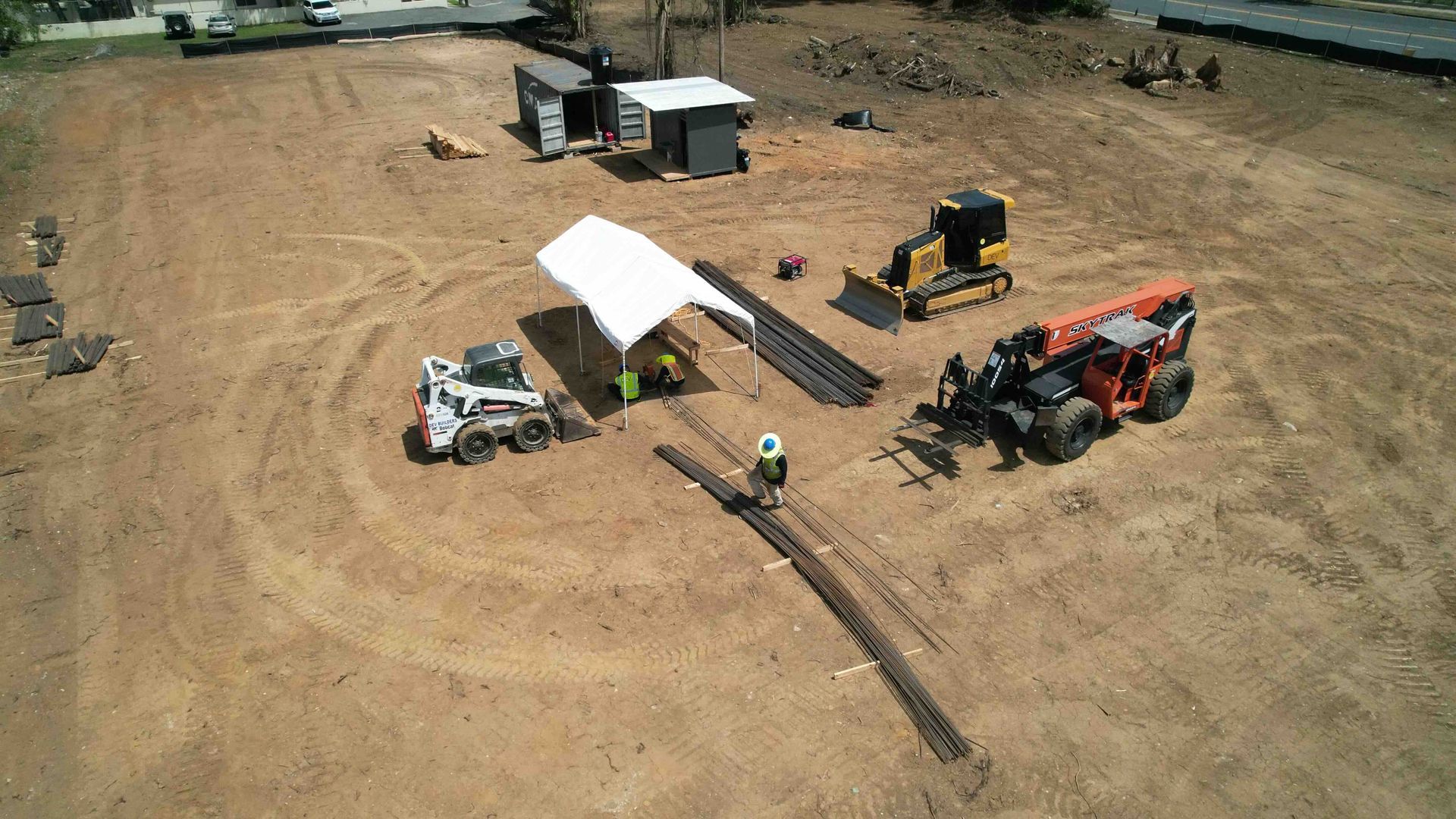
Site access, terrain, drainage, utility availability, and existing structures can change the amount of preparation and construction needed.
A site with limited equipment access or extensive grading may require additional work and affect the construction cost.
Design choices also matter. Building height, layout, structural requirements, and finish selections affect material quantities, labor, and installation complexity.
For renovations, concealed conditions may require further investigation before an estimate is reliable.
Labor, Materials, and Logistics
Costs depend on the trades involved, labor requirements, materials selected, and procurement schedule. Imported products or specialized equipment may require additional shipping, handling, or lead time.
In Puerto Rico, delivery schedules and material staging can affect construction sequencing.
Ask which prices are supported by current supplier quotes and which are allowances, meaning provisional amounts for items that have not been fully priced or selected.
Weather Protection and Building Systems
Waterproofing, drainage, corrosion protection, and storm-resistant components may affect costs depending on the project's location and exposure.
Commercial buildings may also require electrical upgrades, heating, ventilation, and air conditioning (HVAC), backup-power provisions, or other systems to support their intended use.
These choices influence initial investment, maintenance needs, and operating costs.
Ask which protection measures and building systems apply to your property, and confirm how the estimate accounts for them.
What Costs Are Often Missing From Construction Estimates?
A construction estimate does not always represent the complete cost of developing a property.
Depending on how the estimate is prepared, several expenses may be included, excluded, or presented separately.
Common costs to review include:
- Land acquisition: Property purchase costs and related transaction expenses.
- Architectural and engineering services: Design development, technical evaluations, drawings, and professional coordination.
- Permits and inspections: Applicable approvals, permit fees, and inspection requirements.
- Site preparation: Clearing, grading, demolition, drainage improvements, and other necessary groundwork.
- Utility connections: Electrical, water, sewer, and other infrastructure requirements.
- Insurance and financing: Project-related insurance, financing expenses, and applicable professional fees.
- Project contingency: Funds reserved for project risks and unforeseen conditions.
In Puerto Rico, the applicable permitting process depends on the property and proposed construction.
The Puerto Rico Office of Permit Management (OGPe) coordinates procedures associated with permits, licenses, certifications, construction, and land use.
Before relying on an estimate, request a clear breakdown of included work, exclusions, allowances, and assumptions.
This helps distinguish the base construction cost from the broader investment required to complete the project.
How to Prepare a Realistic Construction Budget
Preparing a useful construction budget begins with defining the project and gathering the information needed to evaluate its scope.
Before requesting an estimate, try to identify:
- Project location and property status: Where will the project take place, and has the property been selected or purchased?
- Intended use: Is the project residential, commercial, or another type of development?
- Approximate square footage: What is the expected building size?
- Construction scope: Are you planning new construction, an expansion, or a renovation?
- Design and technical requirements: What finish level, equipment, building systems, or special features are expected?
- Budget and timing: What investment range are you considering, and when would you like construction to begin or finish?
You do not need to have every detail finalized before discussing a project.
However, documenting what is known and identifying what still requires evaluation makes preliminary budgeting more useful.
Use pre-construction planning to review site conditions, scope, budget assumptions, procurement, and scheduling together.
Identify unresolved items and the information needed to evaluate their effect on cost or timing.
Remember that preliminary planning figures are not a substitute for a project-specific construction estimate.
Discuss Your Scope and Budget
Have a construction project in mind? Share your proposed location, building type, approximate size, and budget expectations with DEV Builders Group.
Our team can review the information you have, identify open questions, and help clarify the next planning step.
How DEV Builders Group Helps With Construction Budget Planning
DEV Builders Group is a family-owned commercial construction company in Puerto Rico with more than 20 years of experience.
Our pre-construction services help owners and investors define project requirements, review budget assumptions, and coordinate procurement and scheduling decisions before construction begins.
This helps clients identify decisions that could affect cost or timing.
During construction, we provide weekly progress updates and clear reporting so clients can follow milestones, understand ongoing work, and see which decisions need their attention.
If you are planning a commercial development, expansion, or renovation, share your location, proposed scope, and budget expectations with our team.
Frequently Asked Questions
When should I request a detailed construction estimate?
Request a detailed estimate when the scope, drawings, specifications, and site information are developed enough to price the work.
If key decisions remain open, ask which costs are provisional and what information is needed to refine them.
Can renovation costs be estimated using square footage alone?
Square footage can provide an initial reference, but renovation budgets also depend on existing building conditions, demolition requirements, structural modifications, building systems, and the intended finish level.
A site evaluation may be needed to identify work that cannot be determined from square footage alone.
How can I compare construction estimates from different contractors?
Compare more than the total price. Review each estimate's scope of work, material specifications, allowances, exclusions, schedule assumptions, and contingency provisions.
Two estimates may appear similar while covering different responsibilities or levels of completion.
Plan Your Puerto Rico Construction Project With Greater Clarity
Tell DEV Builders Group about your planned commercial development, expansion, or renovation. Share your location, proposed scope, budget expectations, and timing.
Our team can help clarify the next planning step, even if some details are still being defined.
Sources:
- Puerto Rico Office of Permit Management (OGPe). Official information on permitting, licenses, certifications, and construction-related procedures in Puerto Rico.
- U.S. Bureau of Labor Statistics: Occupational Employment and Wage Estimates. May 2025 occupational employment and wage data, including Puerto Rico, for labor-market research and context. Wage data should not be treated as construction bid pricing.